
Home / Complete Tooth Extraction Aftercare Guide, What to Do After a Tooth Is Removed
Complete Tooth Extraction Aftercare Guide: What to Do After a Tooth Is Removed
Table of Contents
September 23, 2026
|Dr. Aniket Bose
|5 Min Read
Tooth extraction aftercare is important to support healing after tooth removal. During the first few hours, the main goal is to protect the blood clot that forms in the tooth socket.
Everyone heals differently. Some people may experience tooth extraction discomfort, swelling, tenderness, or slight bleeding.
Not every symptom means something is wrong. The dental team at Smile For All Dental Clinic in Kolkata recommends focusing on simple aftercare steps, such as knowing what to eat, what to avoid, and when to contact your dentist.
This guide explains the key tooth extraction aftercare instructions to help you care for the extraction site and support normal healing.
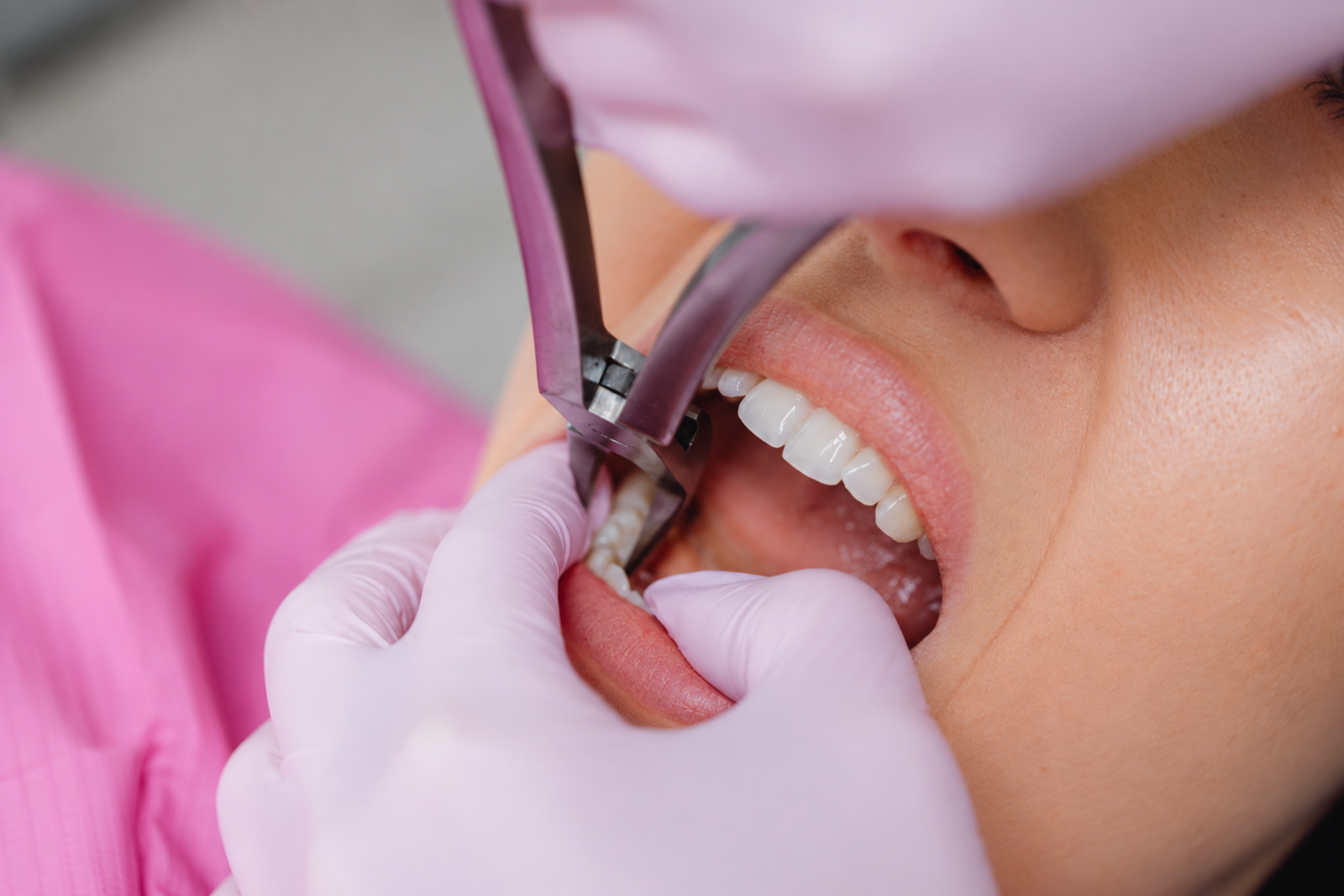
Why Does Tooth Extraction Need Aftercare?
After a tooth is removed, a blood clot usually forms in the empty socket. This is a normal part of healing and helps protect the underlying tissues.
Good tooth extraction aftercare helps keep the blood clot in place while the gum tissue heals.
Your dentist may give you specific instructions based on your treatment. A simple extraction and a surgical extraction may require different care, so follow your dentist’s advice.
What Is Normal After a Tooth Extraction?
After tooth removal, you may notice some changes around the extraction site. These can happen as your mouth begins to heal.
Mild Discomfort
Some tooth extraction pain or tenderness is common after the procedure. The level of discomfort can vary depending on the person and type of extraction.
Some Swelling
Mild swelling around the gum or cheek can occur, particularly after a more difficult or surgical extraction.
Slight Bleeding
A little bleeding or blood-stained saliva can occur after an extraction. Heavy or ongoing bleeding may need to be checked by a dentist.
Visible Socket
You may notice a small hollow where the tooth was removed. This is the tooth socket, and it can take time to heal as new gum tissue develops.
What Should You Do During the First 24 Hours?
The first 24 hours are important for tooth extraction aftercare. A blood clot forms in the socket and helps protect the area while it heals.
Follow these basic steps.
- Follow the instructions given by your dentist.
- Do not touch the extraction site with your finger or tongue.
- Avoid forceful rinsing, spitting, or swishing during the first 24 hours.
- Choose soft foods and chew on the opposite side.
- Avoid very hot food and drinks while your mouth is numb.
- Avoid strenuous exercise during the first day.
- Avoid smoking after tooth extraction, as smoking can interfere with healing and increase the risk of dry socket.
- Avoid alcohol for the period advised by your dentist.

What Should You Eat After Tooth Extraction?
Eating after tooth extraction can be easier when you choose soft foods that need little chewing. This can also help reduce irritation around the healing socket.
Good foods to eat after tooth extraction include
- Soft-cooked foods
- Smooth, soft foods
- Lukewarm foods and drinks
- Foods that require little chewing
Avoid very hot, hard, sharp, or crunchy foods. Nuts and seeds may also become stuck around the extraction site.
As the area heals, you can gradually return to your normal diet based on your dentist’s advice.
When Should You Be Concerned After a Tooth Extraction?
Mild pain, swelling, and slight bleeding can occur after tooth removal. These symptoms should generally improve as healing progresses.
Persistent Bleeding
A little bleeding or blood-stained saliva can be common after an extraction. If bleeding continues after the first few hours or remains heavy or continuous, contact your dentist for advice. The answer to how long bleeding lasts after tooth extraction can vary between procedures. Your dentist can advise you based on the type of extraction you had.
Increasing Pain
Some tooth extraction pain is expected, but severe pain or pain that becomes worse after initially improving should be checked by a dentist.
Dry Socket
Dry socket can occur when the blood clot is lost or breaks down too early. It may cause significant pain a few days after extraction.
Signs of Infection
Increasing swelling, worsening pain, fever, bad taste, or feeling unwell may indicate an infection and require professional assessment.
Signs You Need Prompt Dental Care
Seek prompt dental or medical care for heavy or uncontrolled bleeding, severe or rapidly increasing swelling, severe pain, fever, or difficulty breathing or swallowing.
What Should You Do If You Are Not Sure?
Persistent or worsening pain, swelling, bleeding, or fever may point to a healing problem such as dry socket or infection.
Follow your dentist’s aftercare instructions, avoid touching the extraction site, and contact your dentist if symptoms persist or become concerning.
A dental examination can help your dentist check the extraction site and decide whether further care is needed.
Frequently Asked Questions (FAQs)
How long does tooth extraction pain last?
Some pain or tenderness is common after an extraction. It should generally become easier as the area heals, but severe or worsening pain should be checked by a dentist.
How do I stop bleeding after tooth extraction?
A small amount of bleeding or blood-stained saliva can occur after extraction. If bleeding is heavy or does not settle, contact your dentist for advice.
What can I eat after tooth extraction?
Soft, easy-to-chew foods are usually more comfortable while the extraction site heals. Avoid very hot, hard, sharp, or crunchy foods that may irritate the area.
When can I brush my teeth after tooth extraction?
Follow your dentist’s specific instructions. Keep your other teeth clean while taking care not to disturb the extraction site.
Can I smoke after tooth extraction?
Smoking after tooth extraction can interfere with healing and increase the risk of dry socket. Follow your dentist’s advice about avoiding smoking during recovery.
Takeaways
Good tooth extraction aftercare helps protect the blood clot and supports healing of the extraction site.
Some pain, swelling, and slight bleeding can occur after tooth removal. If symptoms become severe, persistent, or worse, contact your dentist for an assessment.
Get Guidance After Your Tooth Extraction
If you have concerns about your recovery, Smile For All Dental Clinic in Kolkata can provide a dental examination and assess the extraction site. Contact the clinic to discuss your symptoms and get appropriate tooth extraction aftercare guidance.
Call us today at Smile For All Dental Clinic in Kolkata for further information or to schedule a one-on-one consultation.
Continue Reading