Traumatic Dental Injuries Treatment in Kolkata

Medically reviewed by
BDS (Hons.), WBUHS, Oral & Dental Surgeon
Last reviewed: November 2026
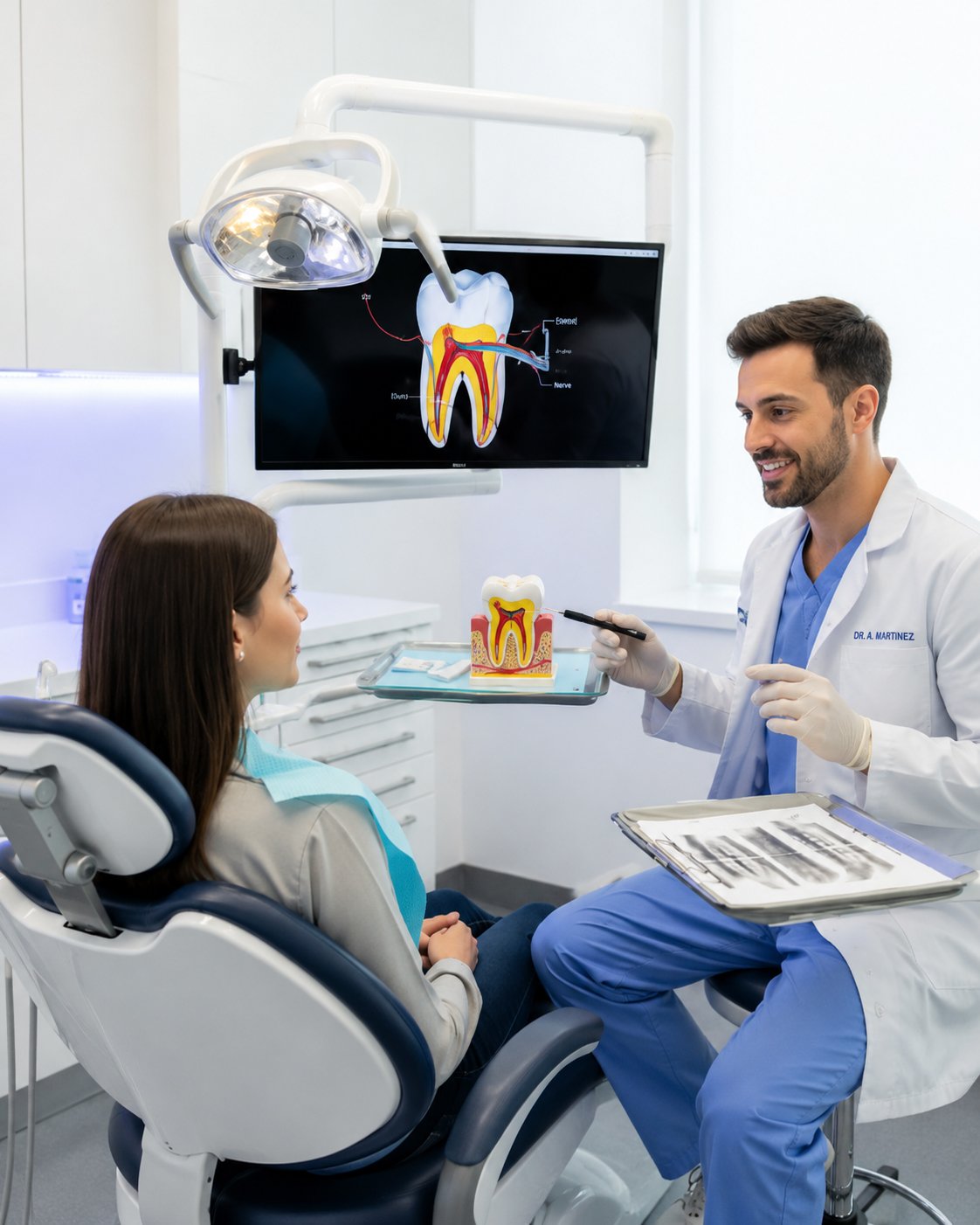
A fall, a sports hit or a road accident can chip, loosen or even knock out a tooth in a second. Traumatic dental injuries are frightening, but a quick action can often save the tooth. What you do in the first hour matters a lot, and so does how soon you see a dentist. At Smile For All Dental Clinic, we give same-day emergency dental care for injured teeth from Monday to Saturday. Our team checks the injury, takes an X-ray, treats the pain and does everything possible to save your natural tooth.
What Are Traumatic Dental Injuries?
- Falls at home, at school or on the stairs
- Sports such as cricket, football and boxing
- Road accidents, especially on bikes and scooters
- Fights or accidental knocks
- Biting on something very hard
Dental Injuries We Treat
Chipped or Broken Teeth
We repair small chips in one visit with tooth-coloured dental bonding, often using the broken piece if you bring it. If the break reaches the nerve, we treat the nerve first and may protect the tooth with a dental crown.
Knocked-Out Teeth
We clean a knocked-out adult tooth, put it back in its socket and hold it in place with a thin splint. The sooner you reach us, the better the chance of saving it.
Loose or Moved Teeth
We gently move the tooth back to its correct position and fix it with a flexible splint for a few weeks while it heals.
Teeth Pushed Into the Gum
We checked the tooth with an X-ray. Depending on your age and the injury, we either let it come back down on its own or gently guide it back into place.
Cracked Roots
A cracked root can only be seen on an X-ray. Based on where the crack is, we may splint the tooth, treat the nerve or, if the tooth cannot be saved, plan a replacement.
Gum, Lip and Cheek Injuries
We clean the wound, stop the bleeding and check that no tooth pieces are stuck in the lip or gum.
First Aid for Dental Emergencies
Good dental emergency management starts at the place of the accident. Stay calm and follow these steps.
Find the tooth and hold it by the crown
(the white part you chew with). Do not touch the root.
If it is dirty, rinse it briefly
in cold running water for a few seconds. Do not scrub it or use soap.
Try to put it back
in its socket gently, then bite on a clean cloth to hold it in place.
If you cannot put it back
keep it moist in cold milk, or in the person's own saliva. Do not let it dry out and do not keep it in plain water.
See a dentist right away
ideally within 30 to 60 minutes.
Important: never put a knocked-out baby tooth back in, as this can harm the adult tooth growing underneath. See our emergency dental care for children page for more help.

If a Tooth Is Broken or Loose
- Rinse your mouth gently with warm water.
- Save any broken pieces and bring them with you.
- Press clean gauze on any bleeding for 10 minutes.
- Hold a cold pack on your cheek to reduce swelling.
- Do not try to push a loose tooth back into place by force.
When to See an Emergency Dentist
- A tooth has been knocked out, pushed in or moved out of place
- A tooth is broken and painful, or you can see pink or red in the centre
- Bleeding from the mouth does not stop after 10 minutes of pressure
- You have severe toothache or swelling after an injury
How We Treat Dental Trauma
Our emergency dental services depend on the type of injury:
- Splinting: loose, moved or replanted teeth are held in place with a thin, flexible splint for a few weeks while they heal.
- Replanting: a knocked-out adult tooth is cleaned and put back in its socket, then splinted.
- Repositioning: teeth that have been pushed out of place are gently moved back.
- Bonding: chipped teeth are rebuilt with tooth-coloured dental bonding, often using the broken piece if it is saved.
- Nerve treatment: if the nerve is hurt, a root canal treatment may be needed. In young teeth with roots that are still growing, we may first try a smaller nerve treatment, such as a pulpotomy, to keep the root developing.
- Crowns: a badly broken tooth may need a dental crown to protect it.
Injured teeth often need nerve care, which is the work of an emergency endodontist. Our dental team plans this care with you and explains every step.
Follow-Up Care After a Dental Injury
Some problems appear weeks or months after the injury, even if the tooth looks fine at first. The nerve may slowly die, or the root may start to wear away. This is why we ask you to come back for check-ups and X-rays at set times after the injury, often over several months. Tell us straight away if the tooth turns grey or dark, becomes painful or feels loose again.
How to Prevent Dental Injuries
- Wear a mouthguard when playing contact sports.
- Always wear a seat belt or a helmet when travelling.
- Keep an eye on young children on stairs, swings and slides.
- Do not use your teeth to open bottles or packets.
Frequently Asked Questions
About Traumatic Dental Injuries
Often, yes, if it is an adult tooth and it is put back or kept in milk and seen by a dentist within an hour.
No. Putting it back can damage the adult tooth underneath. Bring your child to the dentist instead.
No. Only if the nerve is hurt or infected. Small chips can usually be fixed with bonding.
It can become infected, cause an abscess or break further, so it is best to get it checked soon.
It may turn grey or dark if the nerve is damaged. Tell your dentist if you notice this.
We give same-day appointments for dental injuries from Monday to Saturday. Please call us first so we can be ready for you.
Need an Emergency Dentist Near You?
If you are searching for an emergency dentist near me after a dental injury, call us right away. We keep same-day appointments for injured teeth from Monday to Saturday during clinic hours. Our clinic is closed on Sundays, so on a Sunday or late at night, please go to the nearest hospital emergency department.
Appointment booking form