Dental Bone Graft in Kolkata

Medically reviewed by
BDS (Hons.), WBUHS, Oral & Dental Surgeon
Last reviewed: November 2026
Have you been told that you don’t have enough jawbone for a dental implant or a firm denture? A dental bone graft can help. It rebuilds weak or lost bone in your jaw, so it can support new teeth again. Smile For All Dental Clinic provides dental bone graft treatment in Kolkata at our clinics, using safe and tested graft materials. Our dentist will first check your jaw with an X-ray. Then they will explain whether you need a graft, which type suits you, and how it fits into your treatment plan.
What Is a Dental Bone Graft?
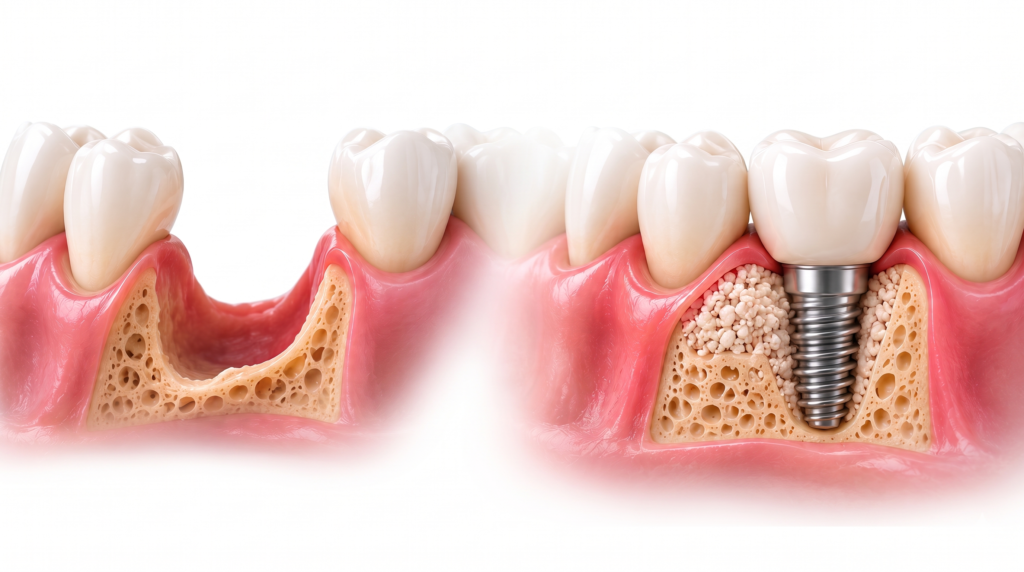
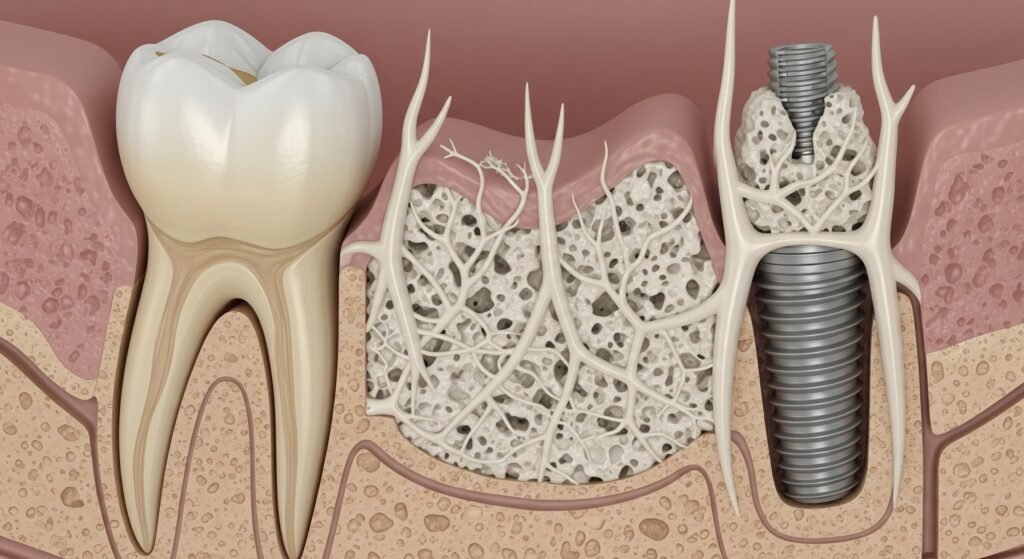
A dental bone graft is a small surgery that adds new bone, or a bone-like material, to the part of your jaw where bone is missing. The graft works like a support frame. Over a few months, your body grows its own new bone into it, and the jaw becomes thicker and stronger. Some people call it a tooth graft or a jaw bone graft. A bone graft can be done in many parts of the body, but in dentistry it is used to rebuild the jawbone that holds your teeth.
Why You May Need a Bone Graft
Your jawbone needs your teeth to stay strong. When a tooth is lost, the bone around it slowly starts to shrink. Your dentist may suggest a bone graft if you have:
- Lost a tooth: bone loss in the jaw starts after a tooth is lost or removed, more so if the gap has been empty for a long time.
- Gum disease: serious gum disease (periodontitis) can damage the bone around your teeth. Read about our scaling and root planing treatment.
- Had an injury: an accident or a hit to the face can damage the jawbone.
- A sunken face: when bone is lost, the cheeks and lips can look sunken, and the face can look older.
- Plans for implants or dentures: an implant needs enough bone to hold it, and dentures fit better on a healthy jaw.
Book Your Appointment
Types of Dental Bone Graft We Offer
There are a few types of dental bone graft. Your dentist will choose the best one for you based on how much bone you need, where you need it, and your general health.
Autograft (Your Own Bone)
An autograft uses a small piece of bone taken from your own body, usually from another part of your jaw or your chin. Because it is your own bone, it heals very well. The only drawback is that the dentist has to take bone from a second small area.
Allograft (Donor Bone, Including DFDBA)
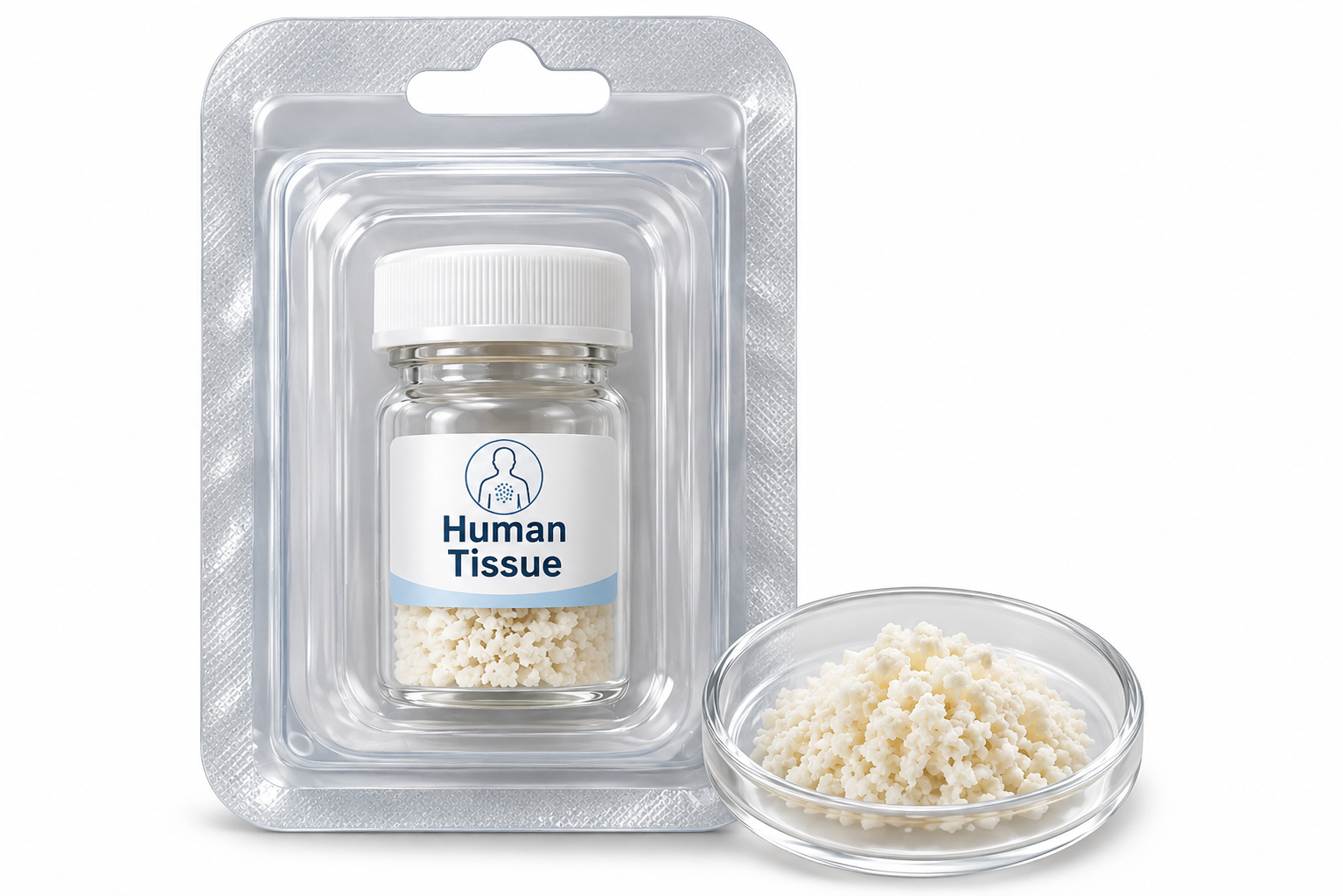
An allograft uses bone from a human donor, supplied by a tissue bank. Before use, it is cleaned, made germ-free and tested for safety. One common type is DFDBA (demineralised freeze-dried bone allograft). A DFDBA bone graft keeps some natural proteins that help new bone grow.
Xenograft (Animal Bone)
A xenograft uses bone from an animal, usually a cow. It is specially treated so that only the hard mineral part is left. It breaks down slowly, which helps keep the shape of your jaw while your own bone grows.
Synthetic Bone Graft (Alloplast)
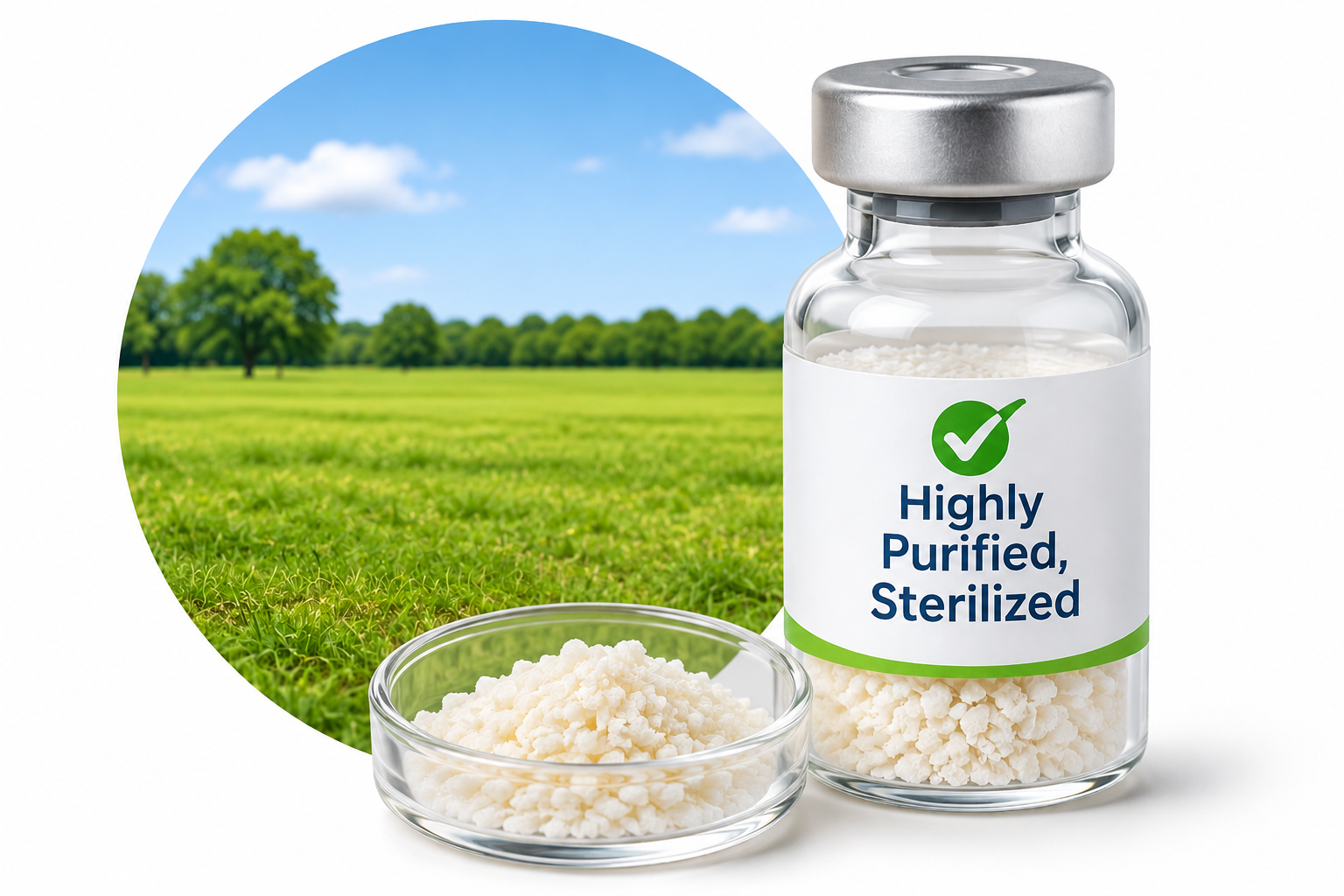
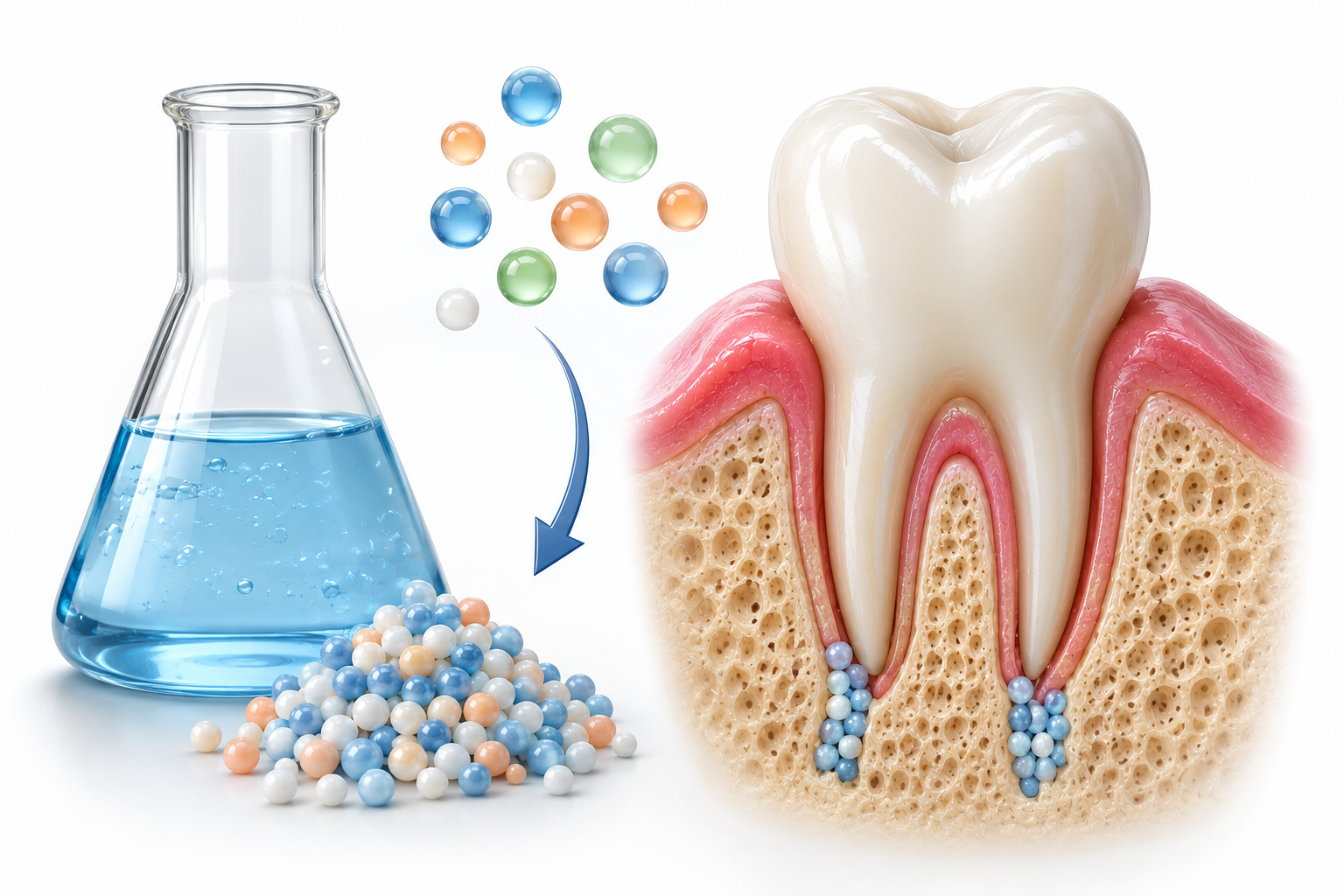
A synthetic bone graft, also called an artificial bone graft or alloplast, is made in a laboratory from safe minerals that are similar to natural bone. It has no human or animal tissue, which some patients prefer.
Growth Factors (PRF)
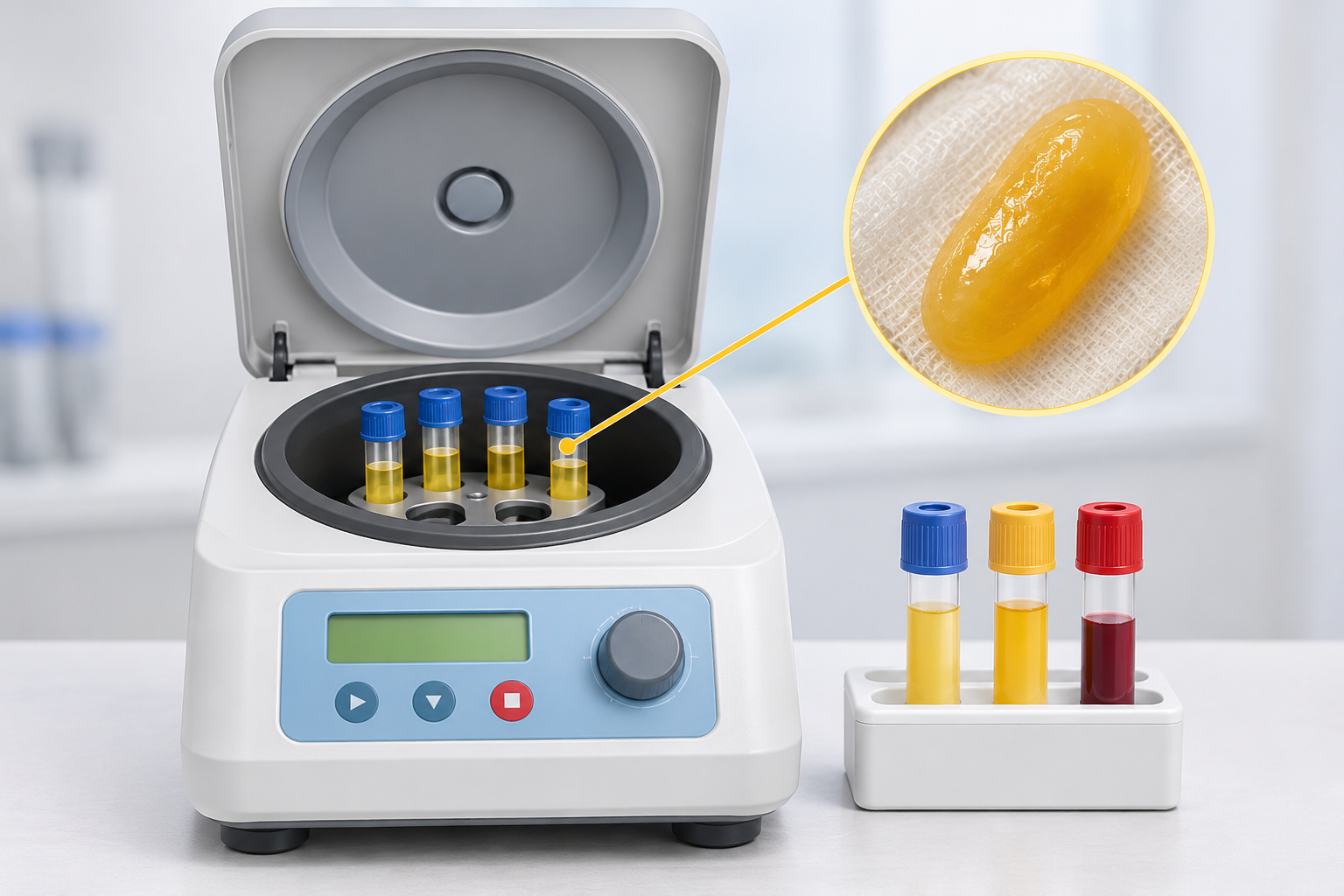
Growth factors help the graft heal faster. For PRF (platelet-rich fibrin), the dentist takes a small amount of your own blood and spins it in a machine to collect the healing part. This is then placed together with the graft.
Bone Graft for Dental Implants
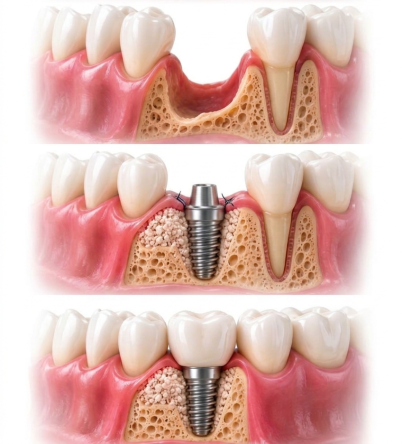
A dental implant is a small screw-like post placed in the jawbone to hold a new tooth. It needs enough strong bone around it to stay firm. If your bone is too thin or too short, a bone graft for dental implants rebuilds it first.
Sometimes the graft and the implant are done in the same visit. Other times, the graft needs a few months to heal before the implant is placed. Your dentist will decide after looking at your X-ray.
Research shows that implants placed in grafted bone work well. A systematic review (a study that combines the results of many studies) found success rates above 90% in almost all of the studies it looked at. Learn more about our dental implants.
Dental Bone Graft Procedure
Check-up and X-ray
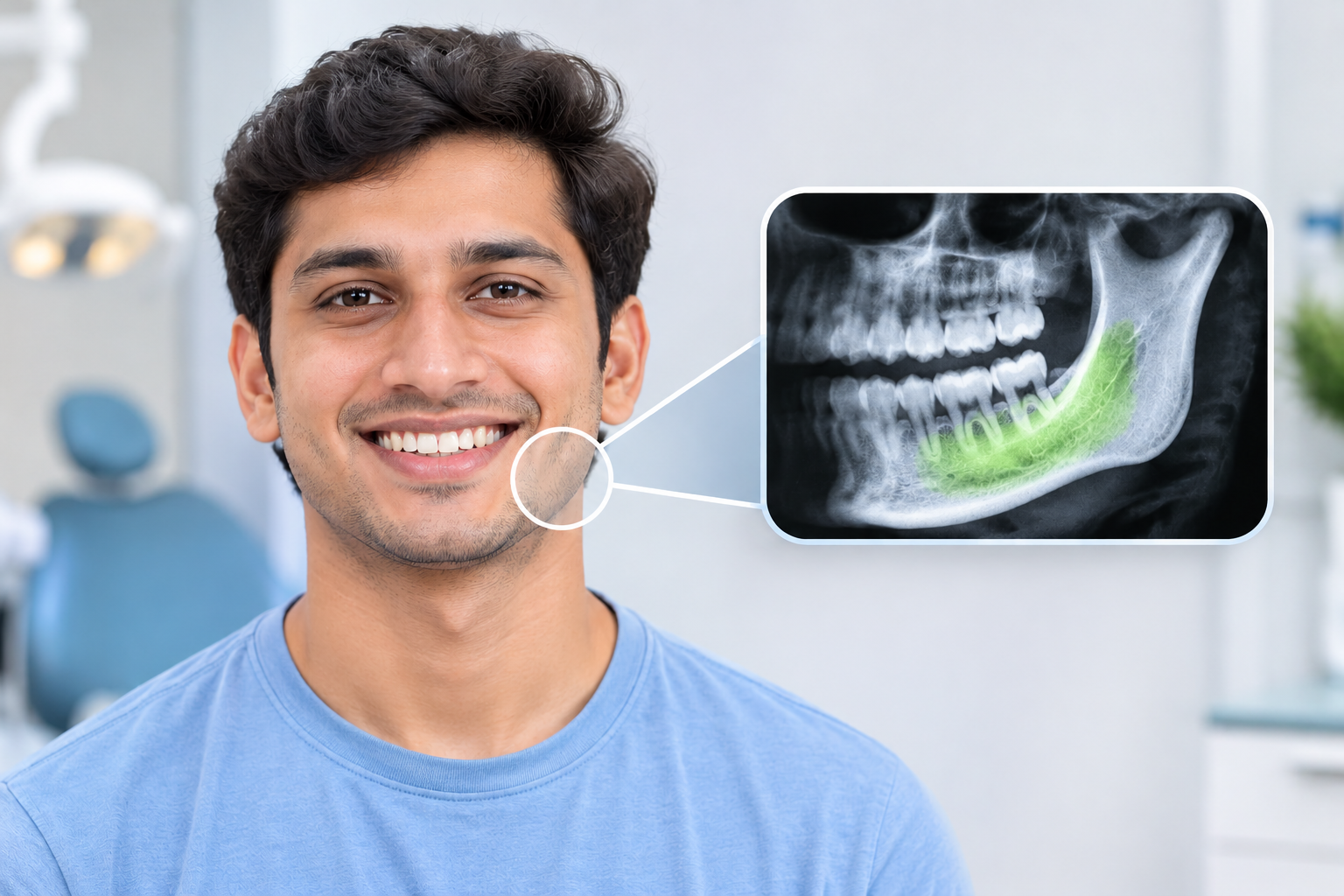
Your dentist checks your mouth, takes an X-ray, sees how much bone is missing and plans the right graft for you.
Numbing the area
The area is fully numbed with a local anaesthetic, so you do not feel pain during the procedure. If you feel nervous, sedation is also available.
Placing the graft
The dentist places graft material where bone is missing through a small opening in the gum, and may cover it with a thin protective membrane.
Closing the gum
The gum is closed with stitches that dissolve on their own, so they do not need to be removed.
Follow-up visits
You will come back for check-ups so your dentist can see how well the bone is healing.

Recovery After a Dental Bone Graft
Dental bone graft recovery happens in stages. Your bone graft healing time depends on the size of the graft and your health.
| Time after the procedure | What to expect |
|---|---|
| First 2 to 3 days | Mild swelling and soreness, which the medicines from your dentist will control. |
| 1 to 2 weeks | The gum heals and the stitches dissolve. |
| 3 to 6 months | New bone grows into the graft (bigger grafts can take longer). |
Do:
- eat soft, cool food for the first few days
- take all your medicines, including antibiotics (medicines that prevent infection), exactly as your dentist tells you
- rinse gently with the mouthwash or warm salt water your dentist suggests
- keep the rest of your mouth clean
Don't:
- chew on the treated side until your dentist says it is okay
- smoke, because smoking slows down healing
- drink through a straw or spit hard for the first few days
- touch the area with your tongue or fingers

Side Effects and Risks of a Dental Bone Graft
Most people heal without any problems. Common dental bone graft side effects are mild and go away in a few days:
- swelling and mild pain
- a little bleeding on the first day
- light bruising on the cheek
Contact us if you notice:
- pain or swelling that gets worse after 3 days
- pus, a bad taste in your mouth, or a fever
- grains of the graft coming out (a few tiny grains can be normal)
- the gum opening up over the graft
Book Your Appointment
Why Choose Smile For All for a Bone Graft?
- Experienced dentist: your bone graft is planned and done by Dr. Aniket Bose, an oral and dental surgeon and oral implantologist.
- The right graft for you: we offer all the main types of bone graft, plus growth factors (PRF).
- Graft and implant planned together: your bone graft and dental implant are planned as one treatment.
- Comfortable treatment: numbing medicine for every patient, with sedation available if you need it.
- Easy to visit: our clinics in Kolkata are open Monday to Saturday.

Dental Bone Graft Cost in Kolkata
We don’t have one fixed price, because every bone graft is different. Your dentist will explain the dental bone graft cost after your check-up and X-ray, before treatment starts.
The cost depends on:
- how much bone needs to be rebuilt
- the type of graft material
- whether growth factors (PRF) or a cover (membrane) are needed
- whether the graft is done along with a tooth removal or an implant
Book Your Appointment
Frequently Asked Questions
No. The area is numbed during the procedure. You may feel mild soreness for a few days, and medicines will control it.
Usually after 3 to 6 months, when the new bone is strong enough. Sometimes the implant can be placed on the same day as the graft.
Pain or swelling that gets worse after a few days, pus, or graft material coming out. Contact your dentist straight away if you notice any of these.
Yes, once the numbness wears off. Eat soft, cool food and chew on the other side for the first week.
It depends on the type of graft and how much bone is needed. Your dentist will explain the cost after checking your jaw.
Book a Dental Bone Graft in Kolkata
Missing teeth, or told you don’t have enough bone for an implant? Book a consultation at the clinic nearest to you, or call or WhatsApp us. We are open Monday to Saturday.
Find our clinic addresses and timings on our Clinics page.
Appointment booking form