
Tooth Extractions in Kolkata
A damaged or painful tooth can affect everything from eating and sleeping to your overall oral health. While dentists generally try to preserve natural teeth whenever possible, sometimes removing a tooth is the safest and most effective way to prevent further pain, infection, or dental complications.
Tooth extraction is a common dental procedure in which a tooth is carefully removed from its socket. Depending on the condition and position of the tooth, your dentist may recommend either a simple extraction or a surgical tooth extraction.
If you’re worried about tooth extraction pain, recovery, tooth extraction cost, or what happens after the procedure, this guide explains what you can expect before, during, and after treatment.

What is tooth extraction?
Tooth extraction, sometimes called tooth removal, is a dental procedure used to remove a tooth that cannot or should not remain in the mouth.
Extraction is usually considered only after the dentist evaluates whether the tooth can be restored with treatments such as a filling, crown, or root canal treatment.
Depending on your situation, an extraction may be recommended for:
- Severe tooth decay
- A badly broken or damaged tooth
- Advanced gum disease
- Dental infection
- Impacted or problematic wisdom teeth
- Overcrowding before orthodontic treatment
- A loose tooth that cannot be saved
- Teeth causing repeated pain or infection
The goal is not simply to remove the tooth, but to protect the surrounding teeth, gums, and overall oral health.
Types of tooth extraction
Simple tooth extraction
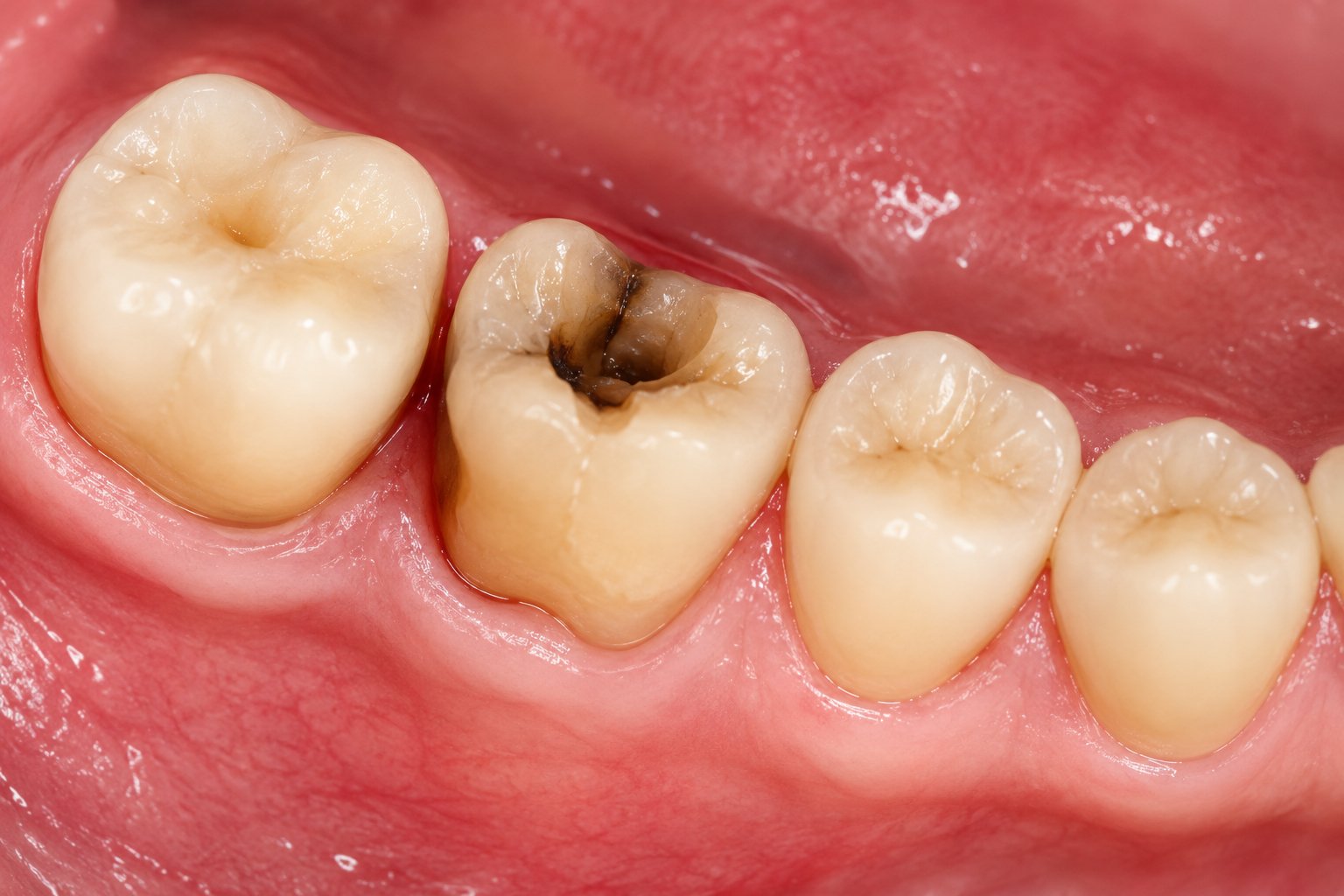
A simple extraction is generally performed when the tooth is visible above the gum line and can be accessed easily.
After numbing the area, the dentist carefully loosens the tooth and removes it from the socket. The procedure is usually relatively quick, although the time required depends on the condition of the tooth.
Surgical tooth extraction
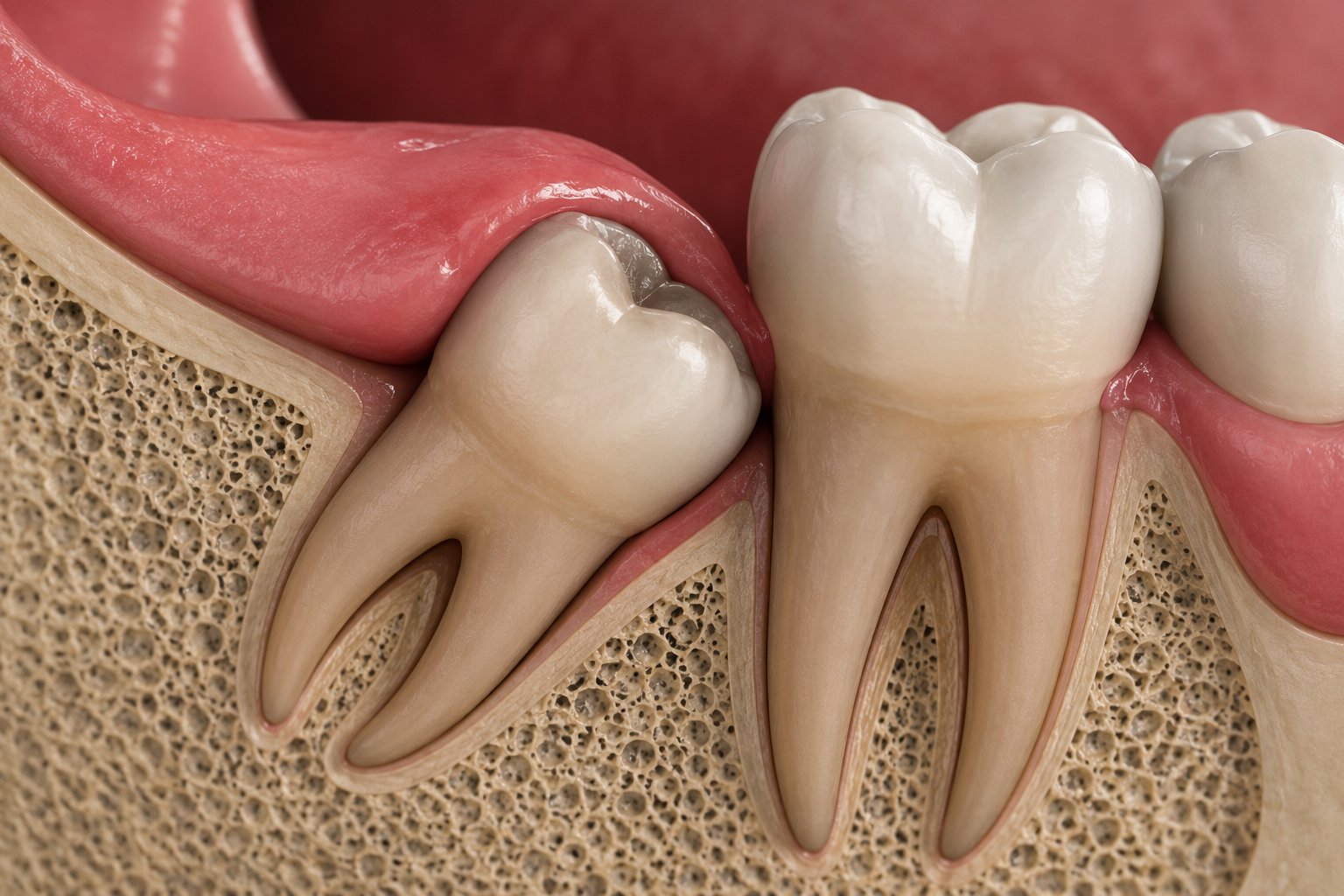
- A tooth has broken below the gum line
- A wisdom tooth is impacted
- The tooth has not fully erupted
- The roots have a complex shape
- Bone or gum tissue needs to be accessed to remove the tooth safely
Book Your Appointment
Tooth extraction procedure
Knowing what happens during the procedure can make the experience feel much more manageable.
Dental examination
Your dentist first examines the tooth, gums, and surrounding area.
Anaesthesia for tooth extraction
Local anesthesia for tooth extraction is commonly used to numb the treatment area.
Removing the tooth
For a simple extraction, the dentist loosens the tooth before carefully removing it.
Controlling bleeding
Once the tooth has been removed, a blood clot needs to form in the socket
Aftercare instructions
Before you leave, you should receive instructions on managing bleeding, eating, brushing, pain, swelling, and activities during the early healing period.

How to reduce pain after tooth extraction
If you’re wondering how to reduce pain after tooth extraction, follow the aftercare advice provided by your dentist.
This may include:
- Taking recommended or prescribed pain relief as directed
- Applying a cold pack externally when advised
- Eating soft foods
- Avoiding strenuous physical activity initially
- Avoiding smoking
- Keeping the extraction site undisturbed
- Maintaining oral hygiene without aggressively brushing the socket
Modern techniques, effective local anaesthesia, and careful treatment planning can make painless tooth extraction during the procedure achievable for many patients. However, some temporary discomfort during recovery is normal.
Contact your dentist if pain becomes severe, gets worse rather than better, or is accompanied by other concerning symptoms.

Side effects of tooth extraction
Temporary side effects of tooth extraction can occur as part of the normal healing process.
These may include:
- Mild pain or tenderness
- Minor bleeding
- Swelling
- Jaw stiffness
- Temporary difficulty chewing
- Sensitivity around the extraction area
These effects should generally improve as the area heals.
Infection after tooth extraction
An infection after tooth extraction requires professional assessment.
Possible warning signs can include worsening pain or swelling, fever, pus or discharge, an unpleasant taste or smell, or feeling generally unwell.
If you suspect an infection, contact your dentist rather than trying to treat the extraction site yourself.
Possible tooth extraction complications
Although extraction is a commonly performed dental procedure, tooth extraction complications can occasionally occur.
Possible complications include:
- Dry socket
- Persistent bleeding
- Infection
- Delayed healing
- Injury to nearby tissues or teeth
- Nerve-related symptoms in certain extractions
- Sinus-related complications with some upper teeth
Your dentist should discuss any significant risks that specifically apply to your procedure.
Book Your Appointment

Tooth extraction cost
Tooth extraction cost can vary considerably because not every extraction involves the same level of complexity.
A straightforward extraction of a fully erupted tooth will usually differ in cost from removing an impacted wisdom tooth or a tooth requiring surgery.
Factors that can affect tooth extraction cost include:
- Type of extraction required
- Position of the tooth
- Condition of the tooth
- Complexity of the tooth roots
- Whether the tooth is impacted
- Whether surgical access is required
- Type of anaesthesia or sedation used
- Additional investigations such as dental X-rays
- Any additional treatment required
Surgical tooth extraction cost
The surgical tooth extraction cost is generally different from a simple extraction because the procedure may require additional time, expertise, equipment, and surgical steps.
The best way to determine the actual cost is through a dental examination. Your dentist can assess the tooth and explain the recommended treatment and associated fees before proceeding.
Why Choose Smile For All Dental Clinic for Tooth Extraction?
At Smile For All Dental Clinic, we make tooth extraction as comfortable, safe, and stress-free as possible. Whether you need a simple extraction or surgical tooth extraction, our dentists carefully assess your condition and recommend the most appropriate treatment.
Comfort-focused treatment: Appropriate anesthesia for tooth extraction helps minimise discomfort during the procedure.
Experienced dental care: Each extraction is carefully planned based on the condition and position of your tooth.
Transparent pricing: We clearly explain your tooth extraction cost and surgical tooth extraction cost before treatment.
Complete aftercare guidance: Get clear advice on what to eat after tooth extraction, tooth extraction healing time, pain management, and things to avoid after tooth extraction.
Need a tooth extraction in Kolkata? Book your consultation with Smile For All Dental Clinic today.

Frequently Asked Questions About Tooth Extractions
One of the most common questions patients ask is, does tooth extraction hurt?
With appropriate local anaesthesia, you should not normally feel sharp pain while the tooth is being removed, although pressure and movement are common sensations.
Some tooth extraction pain or soreness can occur after the anaesthetic wears off. The amount of discomfort varies depending on the type of extraction, the tooth involved, and the individual patient.
A simple extraction may cause relatively mild soreness, while a more complicated surgical tooth extraction can require a longer recovery period.
If you’re wondering how to reduce pain after tooth extraction, follow the aftercare advice provided by your dentist.
This may include:
- Taking recommended or prescribed pain relief as directed
- Applying a cold pack externally when advised
- Eating soft foods
- Avoiding strenuous physical activity initially
- Avoiding smoking
- Keeping the extraction site undisturbed
- Maintaining oral hygiene without aggressively brushing the socket
Modern techniques, effective local anaesthesia, and careful treatment planning can make painless tooth extraction during the procedure achievable for many patients. However, some temporary discomfort during recovery is normal.
Contact your dentist if pain becomes severe, gets worse rather than better, or is accompanied by other concerning symptoms.
If you’re unsure how to sleep after tooth extraction, keeping your head slightly elevated with an extra pillow may help with comfort and swelling during the first night.
Avoid sleeping with pressure directly against the treated side if doing so causes discomfort.
Follow any specific instructions provided by your dentist, particularly after a surgical or wisdom tooth extraction
Knowing what to eat after tooth extraction is important because the extraction site needs time to heal without unnecessary irritation.
During the early recovery period, choose soft, easy-to-eat foods that require minimal chewing.
Suitable after tooth extraction food options may include:
- Yoghurt
- Mashed potatoes
- Smooth soups that are not too hot
- Soft scrambled eggs
- Porridge
- Mashed vegetables
- Soft rice when comfortable
- Smoothies eaten with a spoon rather than through a straw
- Soft fruits or fruit purée
If you’re asking what can I eat after tooth extraction, the simple rule is to start with foods that are soft, mild, and comfortable to eat. Gradually return to your regular diet according to your comfort and your dentist’s advice.
Ice cream after tooth extraction may be comfortable for some patients because it is cold and soft. Choose a smooth variety without nuts, hard pieces, cones, or other crunchy ingredients.
If you’re wondering how to stop bleeding after tooth extraction, follow the instructions given by your dentist.
Typically, you may be asked to:
- Place clean gauze over the extraction site.
- Bite down with firm, steady pressure.
- Keep the gauze in place for the recommended period.
- Avoid repeatedly removing the gauze to check the socket.
- Sit upright and avoid strenuous activity.
Do not vigorously rinse or spit during the early healing period, as this may disturb the clot.
Seek professional dental advice if bleeding is heavy, does not reduce with sustained pressure, or concerns you.
Common things to avoid after tooth extraction include smoking, straws, vigorous rinsing, touching the socket, strenuous exercise, and hard or crunchy foods during the early recovery period.
Smoking after tooth extraction should be avoided because it can interfere with healing and increase the risk of complications such as dry socket. Follow your dentist’s advice regarding how long to abstain.
Some swelling can be normal, especially after a surgical extraction. Swelling after wisdom tooth extraction may be more noticeable. Seek dental advice if swelling becomes severe or continues worsening.
Possible signs of infection after tooth extraction include worsening pain or swelling, fever, discharge, unpleasant taste or smell, or feeling unwell. Contact your dentist if you experience these symptoms.
Tooth extraction cost depends on whether the extraction is simple or surgical, the tooth’s position and condition, the complexity of its roots, and any additional treatment required. A dental examination is necessary to provide an accurate fee.
Schedule Your Tooth Extraction in Kolkata Today
A painful or badly damaged tooth doesn’t automatically mean it needs to be removed. The first step is a proper dental examination to understand whether the tooth can be saved or whether extraction is the healthier option.
If extraction is recommended, your dentist can explain the procedure, anaesthesia, expected recovery, tooth extraction cost, and aftercare before treatment begins.
Book a consultation to have your tooth evaluated and receive a treatment plan based on your individual dental needs.
Appointment booking form