
Root Canal Treatment (RCT) in Kolkata
Tooth pain can make everyday activities like eating, drinking, and speaking uncomfortable. If you’re experiencing persistent toothache, prolonged sensitivity, or swelling around a tooth, you may need Root Canal Treatment. At Smile For All, we provide advanced, patient-focused RCT Treatment to eliminate infection, relieve pain, and save your natural tooth using modern dental technology.
Many people delay treatment because they believe a root canal is painful. In reality, today’s RCT Dental procedures are performed under local anaesthesia and are designed to relieve the pain caused by an infected tooth. Our experienced dentists use rotary endodontic technology and digital diagnostics to make the procedure precise, comfortable, and effective.
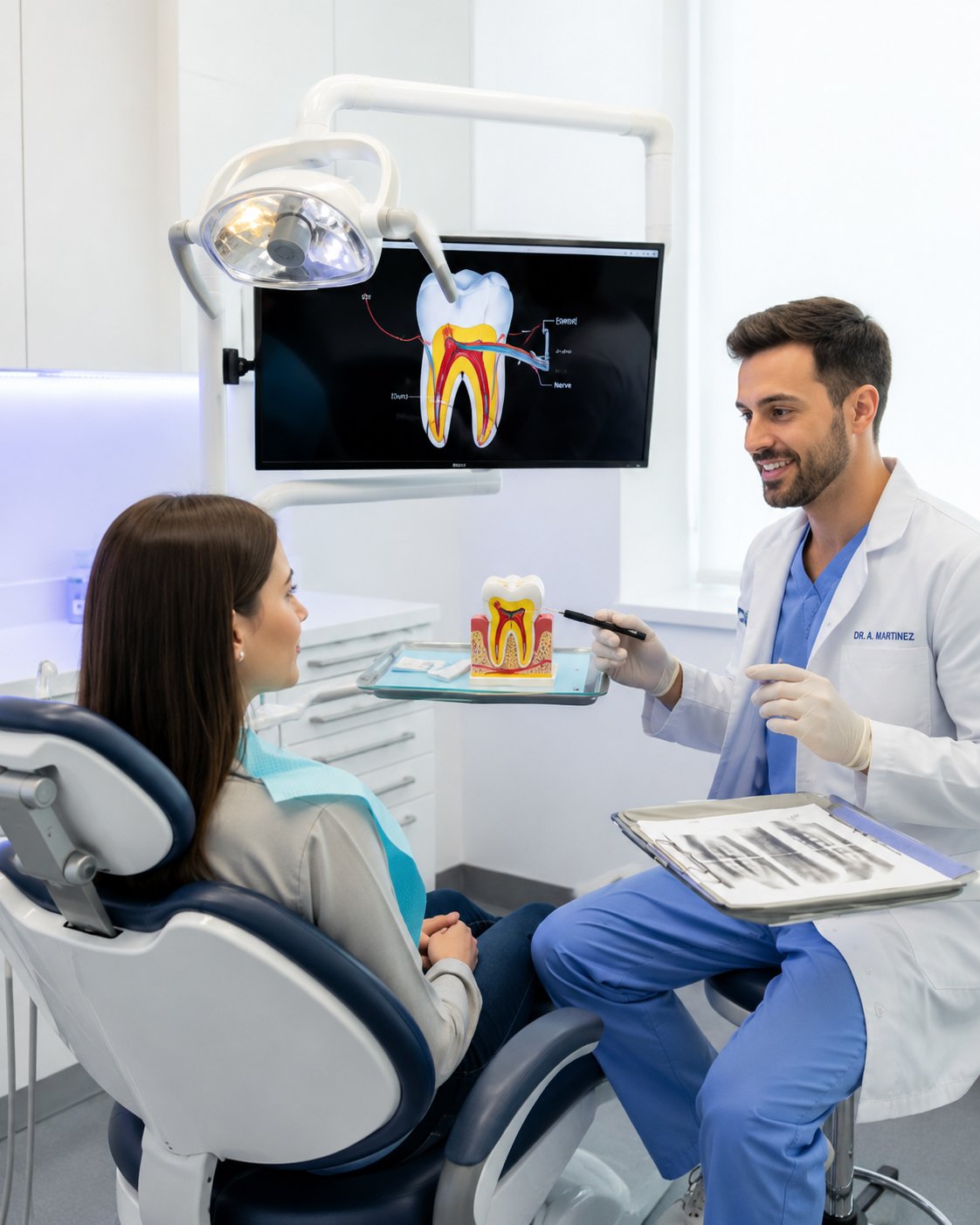
What Is Root Canal Treatment?
Root Canal Treatment, commonly known as RCT Treatment, is a dental procedure used to save a tooth that has become infected or severely damaged. Instead of removing the tooth, the infected pulp inside the tooth is carefully removed. The root canals are then cleaned, disinfected, and sealed to prevent future infection.
The RCT Full Form is Root Canal Treatment. It is one of the most successful procedures in modern dentistry because it preserves your natural tooth while eliminating infection and discomfort.
Every tooth consists of three layers:
- Enamel: The hard outer layer that protects the tooth.
- Dentin: The layer beneath the enamel that supports the tooth structure.
- Dental Pulp: The soft inner tissue containing nerves, blood vessels, and connective tissue.
When bacteria reach the dental pulp because of deep decay, trauma, repeated dental procedures, or a cracked tooth, the pulp becomes inflamed or infected. If left untreated, the infection can spread to the surrounding tissues and jawbone, leading to severe pain, swelling, or even tooth loss.
A timely RCT of Teeth removes the infection while preserving your natural tooth. Once restored with a filling or crown, the tooth can continue to function normally for many years.
Benefits of Root Canal Treatment
Choosing Root Canal Treatment offers several advantages over tooth extraction:
- Preserves your natural tooth
- Eliminates infection and tooth pain
- Restores normal chewing and biting function
- Prevents infection from spreading
- Maintains proper alignment of surrounding teeth
- Helps avoid more expensive tooth replacement options like implants or bridges
Saving your natural tooth is almost always the preferred treatment whenever possible.
Signs You May Need Root Canal Treatment
- Persistent or throbbing tooth pain
- Sensitivity to hot or cold that lingers
- Pain while chewing or biting
- Swollen or tender gums near a tooth
- A cracked or broken tooth
- Deep cavities
- Tooth discoloration
- A pimple-like swelling on the gums (dental abscess)
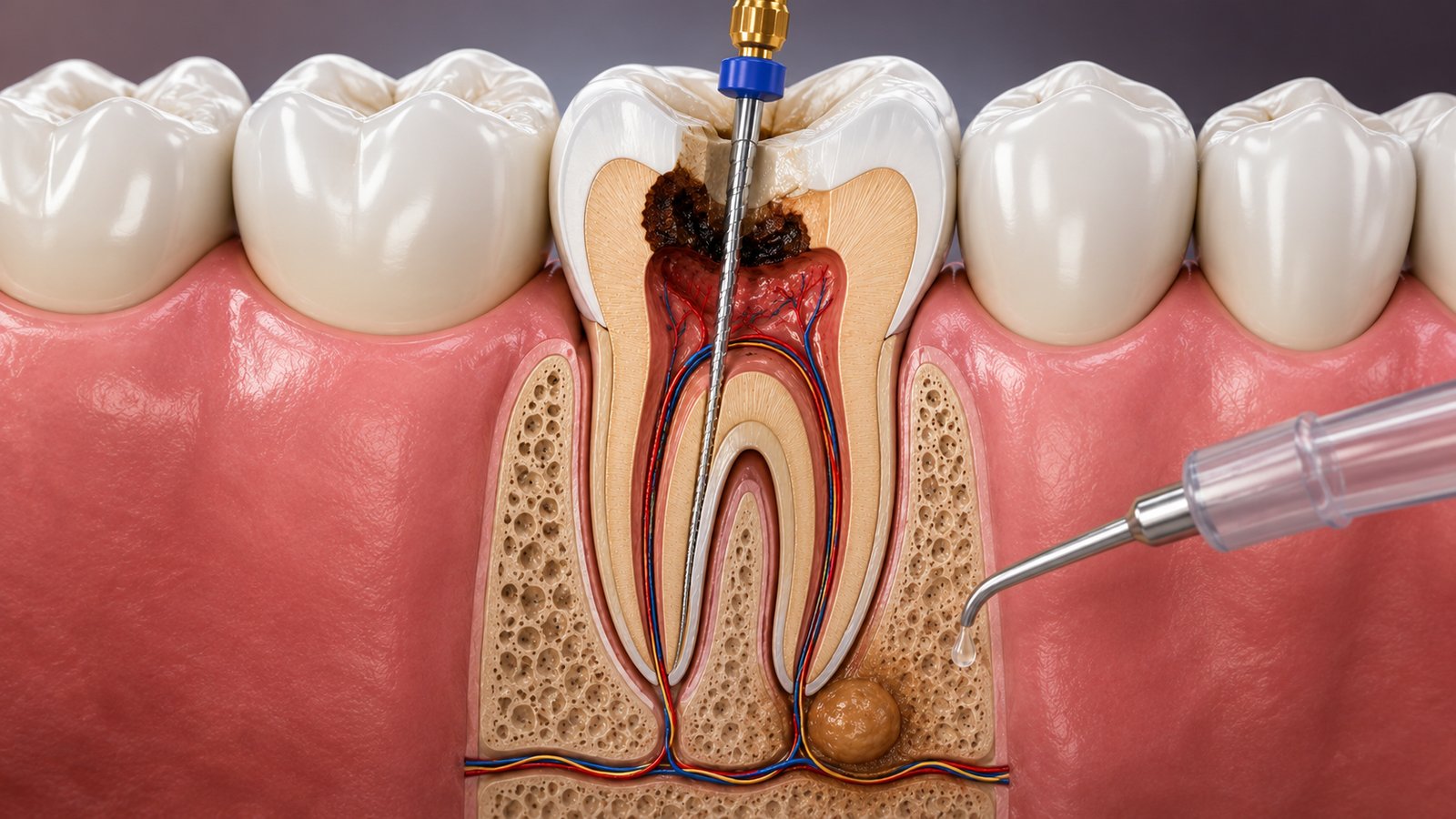
Root Canal Treatment Procedure: Step-by-Step
Local Anesthesia
The affected tooth is completely numbed using local anesthesia to ensure a comfortable treatment experience.
Removing the Infected Pulp
A small opening is created in the tooth, allowing the dentist to remove the infected pulp from the root canals.
Cleaning and Shaping
Using advanced rotary instruments, the canals are cleaned, disinfected, and shaped to remove bacteria and prepare them for sealing.
Filling the Root Canals
The cleaned canals are filled with a biocompatible material and sealed to prevent future infection.
Restoring the Tooth
Depending on the condition of the tooth, a permanent filling or dental crown may be recommended to restore strength and function.

Recovery After Root Canal Treatment
Recovery is usually straightforward. Most patients return to work or their normal routine the same day.
For the first few days, you may experience mild tenderness around the treated tooth, particularly while chewing. This is a normal part of the healing process and usually subsides within a few days.
To ensure a smooth recovery:
- Avoid chewing on the treated tooth until the permanent restoration is placed.
- Eat soft foods while the area is healing.
- Brush and floss gently around the treated tooth.
- Take medications exactly as prescribed.
- Attend your follow-up appointment if recommended.
Root Canal Treatment Side Effects
Temporary Root Canal Treatment Side Effects may include:
- Mild soreness
- Slight sensitivity while biting
- Temporary gum tenderness
- Minor jaw stiffness
These symptoms generally resolve within a few days. Persistent swelling or severe pain is uncommon and should be evaluated by your dentist promptly.
Root Canal Treatment vs Tooth Extraction
If a tooth is severely infected, patients often wonder whether they should choose Root Canal Treatment or have the tooth extracted. Whenever possible, dentists recommend saving the natural tooth because it provides better long-term oral health and function.
| FEATURE | ROOT CANAL TREATMENT (RCT) | TOOTH EXTRACTION |
|---|---|---|
|
Preserves Your Natural Tooth
|
Yes
|
No
|
|
Relieves Pain and Infection
|
Yes
|
Yes
|
|
Chewing Function
|
Maintains natural chewing ability
|
May require tooth replacement for normal function
|
|
Appearance
|
Natural tooth is preserved
|
Missing tooth may affect your smile
|
|
Jawbone Health
|
Helps maintain bone around the tooth
|
Bone loss may occur over time if the tooth is not replaced
|
|
Need for Additional Treatment
|
Usually only a filling or crown
|
Often requires a dental implant, bridge, or denture to replace the missing tooth
|
|
Long-Term Cost
|
Often more cost-effective because the natural tooth is retained
|
Tooth replacement can increase the overall treatment cost
|
|
Treatment Goal
|
Save the natural tooth
|
Remove the damaged tooth
|
Which Option Is Better?
In most cases, RCT Treatment is the preferred option because it allows you to keep your natural tooth while eliminating infection. A natural tooth functions better than any artificial replacement and helps maintain proper chewing, speech, and alignment of surrounding teeth.
However, if the tooth is extensively damaged and cannot be restored, your dentist may recommend extraction as the most appropriate treatment. During your consultation at Smile For All, we will carefully evaluate your tooth and recommend the treatment option that offers the best long-term outcome for your oral health.
Book Your Appointment

Why Choose Smile For All Dental Clinic for Root Canal Treatment?
Choosing the right dental clinic is just as important as choosing the right treatment. At Smile For All, we combine experienced dentists, modern technology, and compassionate care to ensure every patient receives safe, comfortable, and effective Root Canal Treatment.
Experienced Dental Team
Our dentists have extensive experience in performing RCT Treatment for both simple and complex cases.
Advanced Technology
We use rotary endodontic systems, digital X-rays, and modern sterilization protocols to improve treatment accuracy, reduce chair time, and enhance patient comfort.
Comfortable, Patient-Centric Care
Our dentists takes the time to explain each step of the procedure, answer your questions, and make sure you feel relaxed throughout your visit.
Affordable & Transparent Pricing
Before starting your Root Canal Treatment, we explain the procedure, expected outcomes, and complete treatment cost so you can make an informed decision.
Strict Sterilization Standards
Every instrument is sterilized following recommended infection control protocols, and our clinic maintains high standards of hygiene for every procedure.
Root Canal Treatment Cost in Kolkata
One of the most frequently asked questions is about the Root Canal Treatment Cost.
The cost of treatment depends on several factors, including:
- Which tooth requires treatment
- Number of root canals
- Severity of infection
- Whether retreatment is required
- Need for a dental crown
- Diagnostic investigations such as digital X-rays
Because every patient is different, the exact RCT Treatment Cost is determined only after a clinical examination.
If you’re looking for the RCT Cost in Kolkata, Smile For All offers transparent pricing with no hidden charges. Before beginning treatment, our dentists explain the complete treatment plan and provide a detailed estimate so you can make an informed decision.
While some patients focus only on the RCT Treatment Price, it’s important to remember that experience, technology, sterilization standards, and quality of care significantly influence treatment success.

Frequently Asked Questions (FAQs)
This is one of the most common concerns among patients. The good news is that modern Root Canal Treatment is not painful. Local anaesthesia numbs the tooth before the procedure begins, ensuring you remain comfortable throughout the treatment. Most patients say it feels similar to getting a dental filling.
You may experience mild soreness for a day or two after the procedure, but this can usually be managed with prescribed medication.
The duration depends on the tooth being treated and the complexity of the infection.
- Front teeth: 30–60 minutes
- Premolars: 45–90 minutes
- Molars: 60–120 minutes
Some RCT Treatments can be completed in a single visit, while more complex cases may require two or more appointments.
The RCT treatment price depends on several factors, including the tooth involved, the severity of the infection, and whether a dental crown is required.
At Smile For All, we provide a detailed treatment plan and transparent pricing after a clinical examination and digital Dental X-rays. You’ll know the expected cost before treatment begins.
Delaying can lead to worsening infection, abscess formation, bone loss, and eventual tooth loss Early treatment is key to saving the tooth.
In many cases, yes. Teeth that have undergone RCT Treatment, especially molars and premolars, are more prone to fracture because the infected pulp has been removed.
A dental crown protects the tooth, restores strength, and significantly improves its long-term durability.
Yes. With proper oral hygiene, regular dental check-ups, and a well-fitted crown when recommended, a tooth treated with Root Canal Treatment can last for many years and, in many cases, for a lifetime.
Yes. Many patients find it helpful to watch a Root Canal Treatment Video or view Root Canal Treatment Images to understand the procedure. During your consultation, our dentists can also explain the treatment using educational visuals and digital X-rays.
After Root Canal Treatment, it’s best to avoid chewing on the treated tooth until the numbness wears off and the permanent filling or crown is placed. During the first few days, avoid:
- Hard foods such as nuts, popcorn, and ice
- Sticky foods like chewing gum and caramel
- Crunchy snacks such as chips and hard biscuits
- Very hot foods or beverages if the tooth is still sensitive
Choose soft foods like yogurt, mashed potatoes, rice, soup, bananas, and scrambled eggs until your dentist advises you to return to your normal diet.
The number of appointments depends on the condition of the tooth and the severity of the infection. Many RCT dental Treatments can be completed in a single sitting, especially when the infection is limited. However, more complex cases, such as teeth with multiple root canals or severe infection, may require two or more visits.
During your consultation, your dentist will evaluate your tooth with a clinical examination and digital X-rays and explain the treatment plan, including the expected number of sittings.
Root Canal Treatment is one of the most successful procedures in modern dentistry. When performed by an experienced dentist and followed by proper restoration with a filling or crown, the success rate is generally above 90%, with many studies reporting long-term success rates of 95% or higher.
Maintaining good oral hygiene, attending regular dental check-ups, and protecting the treated tooth with a crown when recommended can help your RCT Treatment last for many years or even a lifetime.
Book Your Root Canal Treatment Appointment
Take the first step towards a healthy, pain-free smile.
Our team will examine your tooth, explain your treatment options, discuss the Root Canal Treatment Cost, and create a personalized treatment plan that suits your dental needs.
Call us today or book your appointment online to restore your smile with expert Root Canal Treatment at Smile For All.
Appointment booking form